Thesis Project
Democracy Illustrated: A Book Design Thesis
Explore democracy through people’s opinions by asking them, “What is democracy to you?”
Role
Visual design
Researcher
Tools
Adobe Indesign
Adobe Illustrator
Timeline
2008 (4 Months)
Overview
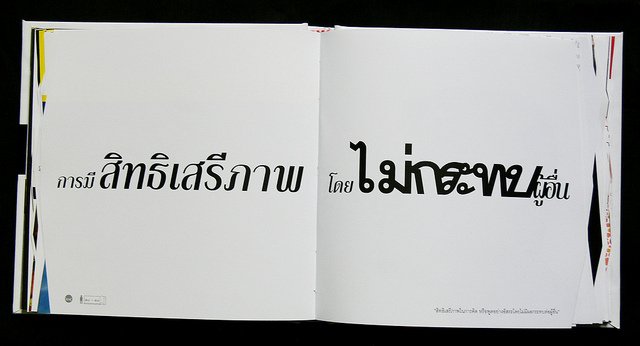
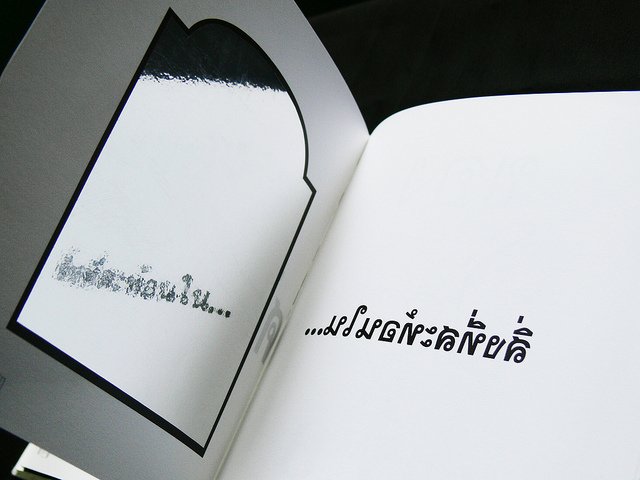
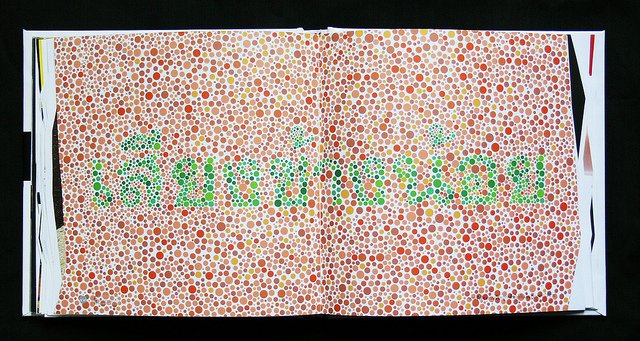
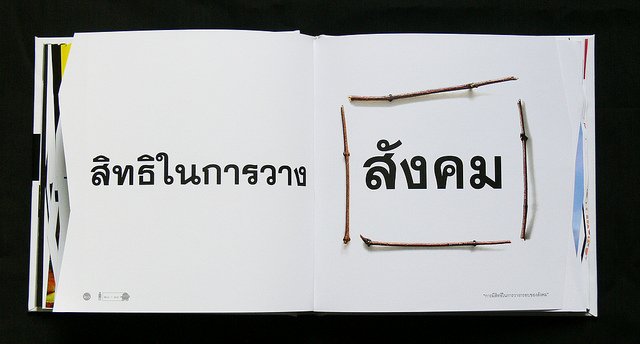
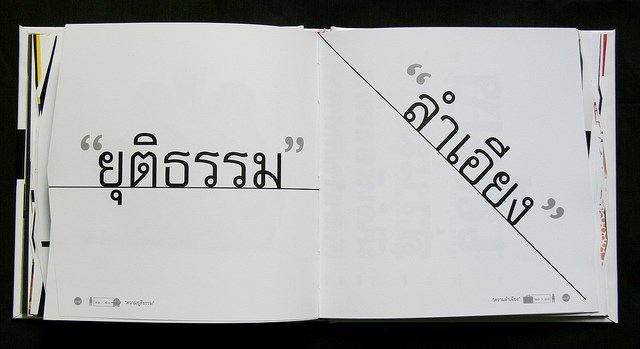
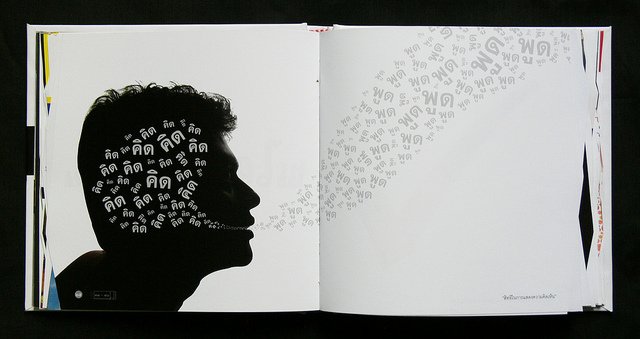
My thesis project for book design started with the idea of creating data visualizations, but I struggled to find interesting data. Inspired by the political conflicts in Thailand that led to a series of protests, demonstrations, and ultimately a coup d’état, I shifted my focus to gather people’s opinions on democracy. I decided to explore democracy through people’s opinions by asking them, “What is democracy to you?”. I collected a diverse range of responses, making traditional data visualization difficult. As a solution, I transformed the project into an illustration endeavor. Through the creative use of typography, images, and graphics, I visually interpreted the selected answers to showcase the essence of democracy in a compelling and artistic book design.
Book Cover
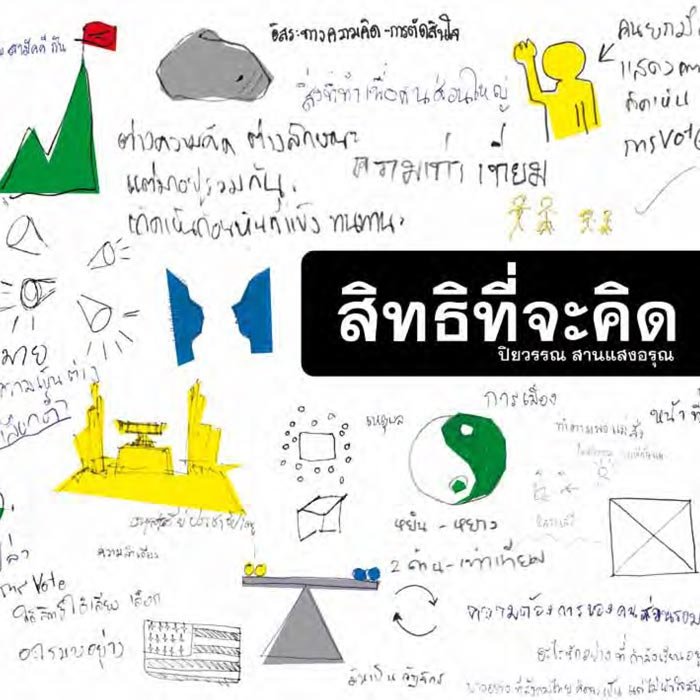
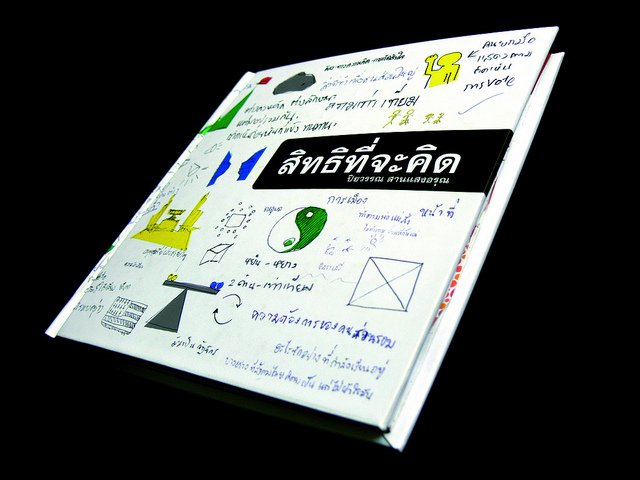
I scanned the questionnaire papers to capture the diverse responses. Using hand-written text and drawings, I artfully collaged the different elements together. This approach symbolizes the unique perspectives and thoughts of people on democracy.
Edge of each page
I cut the edge of each page differently, creating eight distinct cutting patterns. These variations symbolize the diverse perspectives on democracy gathered from the questionnaire responses. The special cutting process adds an artistic touch and represents the richness of opinions in the printed book.

Respondents
In the page layout of the illustrated spread, I included the demography of respondents on the bottom left to add context. On the bottom right, I placed the actual quotes, capturing their thoughts on democracy. These design elements enrich the pages and provide a deeper understanding of the diverse perspectives shared in the book.